Patients for Damp Building Research
Patients pushing for public research on chronic illness from damp and water-damaged buildings.
Who We Are
We're patients living with chronic illness we link to damp and water-damaged buildings, along with family members and supporters. Many of us spent years being told our debilitating symptoms were in our heads and piecing together our own care while trying to hold our lives together.We started this group because patients have waited long enough for research to catch up. We're independent and patient-led, and open to people wherever they live.None of our founders makes a living from this illness. Four of the five earn nothing from testing, treatment, supplements, remediation or building services, and the group takes no money from anyone who does. One founder earns a small amount from affiliate links, as disclosed below.
Our Founders
The group was founded in 2026 by five patients in the U.S. and Canada:
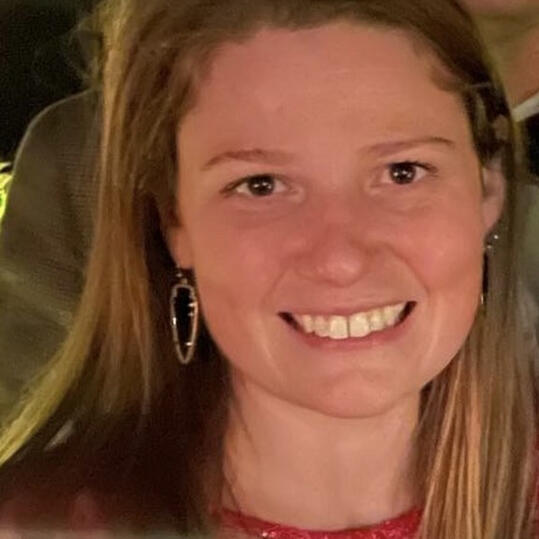
Meghan May (Raleigh, North Carolina) is a mom of three whose family’s health struggles led them to discover extensive hidden mold and water damage in their home. Years of searching for answers and several rounds of remediation followed, at great expense. She shares her family’s experience on Instagram, and wants other families to have better information, and research that shows how damp and water-damaged buildings affect health.
Disclosures: Shares her family’s experience with mold, remediation and rebuilding on Instagram, where she has affiliate and referral links for some environmental testing services and home products that earn her a small amount in commissions. No other financial interests in testing, treatment, supplements, remediation, or building inspection or consulting.
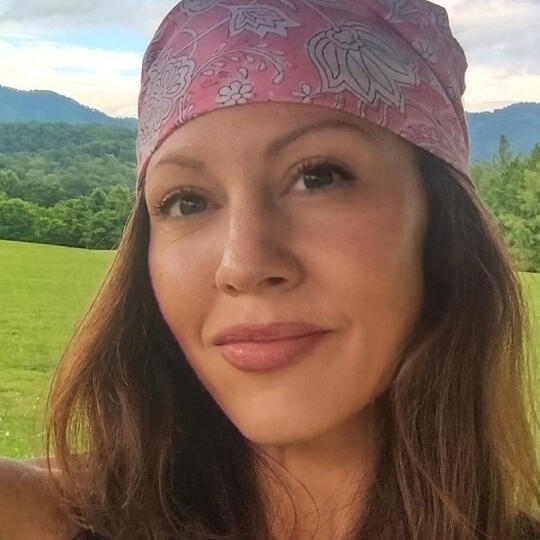
Teresa Reginaldi (Chuckey, Tennessee) has lived in Northeast Tennessee for most of her adult life. From her earliest memories, she has faced debilitating health challenges that she believes correlate with time spent in buildings affected by water intrusion. At 46, she continues to seek understanding and healing from ME/CFS, chronic inflammation, and environmental sensitivities. She's driven by curiosity about how the body heals, and hopes research will lead to treatments that work with that process for people living with chronic illness.
Disclosures: No financial interests in testing, treatment, supplements, remediation, or building inspection or consulting.
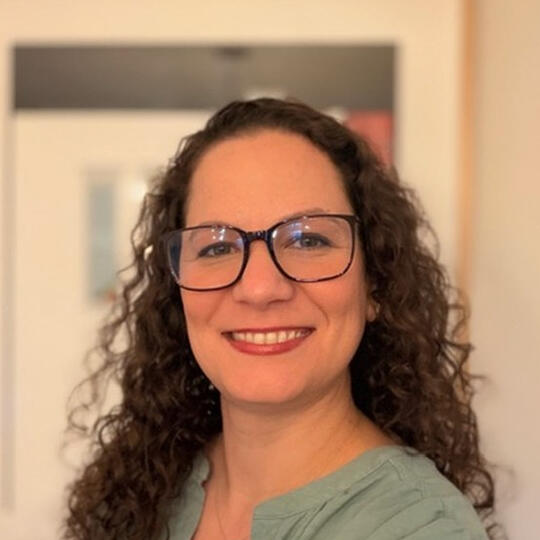
Arlyn Rull Valenciaga (Miami, Florida) spent years grappling with debilitating, unexplained health symptoms before linking her illness in 2023 to chronic exposure to a water-damaged building. This discovery transformed her approach to healing and recovery and inspired her commitment to helping others facing similar challenges. She is passionate about patient advocacy, raising awareness of environmentally linked illnesses, and encouraging expanded research and open dialogue about the relationship between building conditions and occupant health.
Disclosures: No financial interests in testing, treatment, supplements, remediation, or building inspection or consulting.

Rick Torres Jr. (Raleigh, North Carolina) grew up in a home damaged by a major hurricane and has been chronically ill since childhood as a result. In 2020, he moved to Raleigh to work for a Fortune 100 company, and his new apartment sent his health into a sharp decline. He is an avid researcher across multiple disciplines and holds a technology patent. He enjoys sharing his knowledge and experience, and helping others on their own health journeys.
Disclosures: No financial interests in testing, treatment, supplements, remediation, or building inspection or consulting.
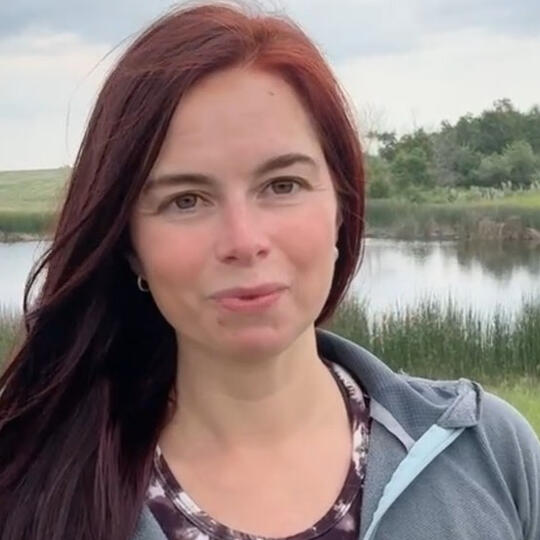
Natascha Vogel (Coquitlam, British Columbia) lived with debilitating chronic illness for decades before linking it to air in damp and water-damaged buildings in 2023. Seeing that connection changed everything, and she finally began to heal. She's especially interested in building science and how buildings affect health.
Disclosures: Works in business development at a Canadian medical device company. Runs The Healthy Building Project, a YouTube channel that earns a small amount of ad revenue, and a related Instagram account. No other financial interests in testing, treatment, supplements, remediation, or building inspection or consulting.
Why This Matters
Patients have reported chronic illness linked to damp buildings for decades. Symptoms show up across many body systems and vary from person to person. They can include fatigue, brain fog and memory problems, headaches, poor sleep, anxiety and low mood, joint and muscle pain, digestive problems, dizziness, sinus and breathing problems, crashes after exertion, and new sensitivity to chemicals, foods or smells. Symptoms often flare in certain buildings and ease away from them.For many, it takes over their lives. People describe losing the ability to work, leaving homes and belongings behind, and spending years housebound or close to it. It’s common to burn through savings or go into debt trying to get well.Exposure is common: U.S. studies have found signs of dampness or mold in about half of homes. But people in the same building can be affected very differently. One person gets sick while others in the same home feel fine. When that happens, patients are easily dismissed by doctors and doubted by family, and many spend years searching for answers.With no treatments tested in large, independent trials, patients are left to find their own way, at their own expense. Many pay to remediate their homes or move in search of a home that doesn’t make them sick, and spend heavily on treatments hoping something works. Some report major improvement. Others stay sick. Research could show what helps, and for whom.In September 2026, the U.S. Department of Health and Human Services held a roundtable on mold. The panel of infectious disease experts, and the funding announced, focused on invasive fungal infection. But the chronic side kept coming up. Secretary Robert F. Kennedy Jr. described his family's illness, which he links to a mold-infested home. Dr. Peter Pappas of the University of Alabama at Birmingham said illness in people sick from mold exposure is not taught, poorly understood and poorly diagnosed. He called invasive disease the tip of the iceberg, with the rest submerged and not understood. CDC Director Erica Schwartz said more research is needed to understand which conditions may result from mold exposure.Kennedy closed by saying mold exposure should be one of the first questions asked of chronically ill patients. We agree, and doctors can't ask that question well until research tells them what to look for.A House committee has asked for this research before. In 2022, the House Appropriations Committee urged NIEHS to prioritize research on the neurotoxic, immune and inflammatory effects of damp and water-damaged buildings, and asked NIH to speed up planned toxicology studies of mold. Those studies, of mold mixtures from damp buildings, are still listed as planned.
What's Already Known
The research goes beyond the lungs.Laboratory research shows the immune system reacts to what's in these buildings. The World Health Organization's 2009 guidelines on dampness and mold, based on an expert review of the evidence, report inflammatory and toxic responses in laboratory and animal studies of microorganisms taken from damp buildings. Finnish researchers who study moisture-damaged buildings have shown that both molds and bacteria found in these buildings trigger inflammatory responses in immune cells. This is the innate immune system, the body's first line of defense, and the receptors it uses to recognize fungal and bacterial material are well described in immunology.There are signs of this response in people too. Studies of people working in moisture-damaged buildings, in Finland and by CDC's NIOSH, found signs of airway inflammation linked to exposure and symptoms. A 2024 Finnish study went further, finding raised levels of two markers of inflammation in the blood, complement C3a and C-reactive protein, in adults exposed to moisture damage.The firmest evidence of health effects in people so far is for breathing. The same WHO guidelines conclude that people in damp or moldy buildings face a higher risk of respiratory symptoms, respiratory infections and worsening asthma.Mental health is part of the picture too. NIEHS notes that studies have linked prolonged mold exposure to depression, anxiety and stress in children and adults. A 2024 review in Environmental Health Perspectives, the journal NIEHS publishes, found the same associations across 19 studies, while cautioning that the studies had methodological limits. What drives these links hasn't been established.Put together, these findings give researchers a place to start. Inflammation is known to cause exhaustion, aches, disrupted sleep and foggy thinking; it's part of why the flu feels the way it does.What hasn’t been established is how exposure leads to the chronic, whole-body illness patients describe. It also isn’t known why some people get sick while others in the same building don’t, or why some stay sick. There are reasonable hypotheses, including genetic differences in how the immune system responds, but none has been confirmed. Answering these questions will take dedicated research funding. That’s what we’re pushing for.
Our Goal
Our first step is a letter to HHS asking for three things: a follow-up roundtable on chronic illness from damp buildings, an independent review of the evidence, and a meeting so patients can help shape that work. Read the letter and add your name.This research would help the many Americans living in damp buildings, and patients everywhere too.
How We Work
We say clearly what's established, what's suspected and what hasn't been tested yet. An untested idea is a question for research, not a settled fact.We're independent. We take no money from anyone who sells testing, treatment, supplements, remediation, or building inspection or consulting to people made sick by damp buildings. We don't endorse practitioners, labs or products, and we don't give medical advice.Anyone made sick by damp buildings is welcome, whatever name they use for it.
Our Letter to the U.S. Department of Health and Human Services
Anyone can sign, wherever you live. Sign by December 1 to be included in the letter we deliver to HHS.
Get Involved
Sign the letter, then send it to one person who should sign. If you’re in the U.S., your state counts. The letter tells HHS how many Americans signed and from how many states.Share it in groups you’re part of, like mold illness, ME/CFS, Long COVID or military family groups. Please check each group’s rules first.Follow along on Instagram, Facebook, X and TikTok.Researchers can endorse our three requests to HHS or be listed as a researcher HHS could consult. Email us at [email protected].Have an idea or a connection who could help get this in front of more people? We’d love to hear from you.
Contact
Natascha Vogel coordinates the group and answers messages sent here. Media and other inquiries welcome.
[email protected]
Sources
Lawrence Berkeley National Laboratory. Prevalence of building dampness. Indoor Air Quality Scientific Findings Resource Bank.HHS Mold Surveillance Roundtable, September 18, 2026 (video).U.S. House of Representatives, Committee on Appropriations (July 5, 2022). Report on the Departments of Labor, Health and Human Services, and Education Appropriations Bill, 2023. H. Rept. 117-403, p. 120.National Toxicology Program. Mold (study status page, updated June 25, 2026).World Health Organization (2009). WHO Guidelines for Indoor Air Quality: Dampness and Mould.Huttunen K, et al. (2003). Production of proinflammatory mediators by indoor air bacteria and fungal spores in mouse and human cell lines. Environmental Health Perspectives 111(1):85–92.National Institute of Environmental Health Sciences. Mold.A State-of-the-Science Review of the Effect of Damp- and Mold-Affected Housing on Mental Health (2024). Environmental Health Perspectives.Purokivi MK, et al. (2001). Changes in pro-inflammatory cytokines in association with exposure to moisture-damaged building microbes. European Respiratory Journal 18(6):951–958.Akpinar-Elci M, et al. (2008). Respiratory inflammatory responses among occupants of a water-damaged office building. Indoor Air 18(2):125–130.Karhuvaara O, et al. (2024). Indoor microbial exposure increases complement component C3a and C-reactive protein concentrations in serum. Heliyon 10:e24104.
Patients for Damp Building Research
[email protected]